

 한국어
한국어 中文简体
中文简体 日本語
日本語 Español
 русский
About us
Our team is proud to offer on time guarantee and product guarantee to customer satisfaction.
Read MoreContact info
- No. 666, Jingtong Road, Danxi Second Industrial Zone, Danxi Town, Yueqing City, Zhejiang, China
- 1696258355@qq.com
- (+86) 15217722885
- 1540939529@qq.com
- (+86) 17857205859
- (+86) 755-83268071
Waterproof Button Switch for Outdoor Equipment
Outdoor electronic equipment often operates in conditions where moisture, dust, rain, and splashes can affect internal components. A Waterproof Button Switch provides a sealed control solution for equipment that requires physical button operation while facing outdoor exposure.
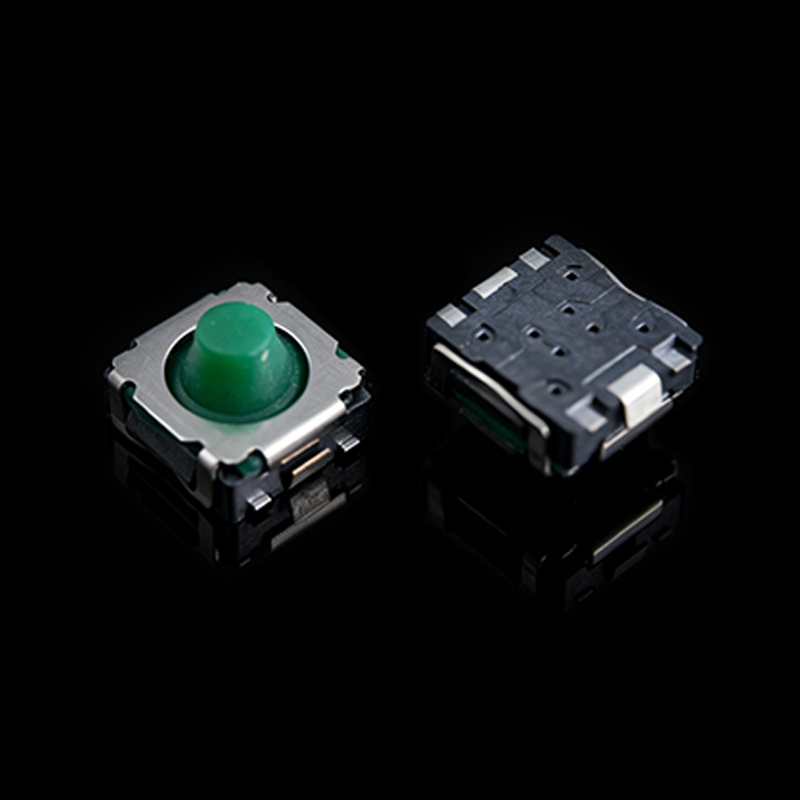
Unlike an ordinary push button, a waterproof design usually combines the switch body, actuator, sealing components, and mounting structure to reduce the chance of water entering sensitive areas. The switch should also work together with the equipment enclosure. Even when the button itself has a suitable protection rating, gaps around the panel opening or cable connection can affect the protection of the complete product.
For this reason, waterproof button selection should consider the switch and the surrounding mechanical structure together.
Understanding IP Protection
IP ratings are commonly used when discussing protection against solid particles and water. Different ratings describe different protection conditions, so the required rating should be selected according to the environment in which the equipment will operate.
IP65 products are commonly considered for equipment exposed to dust and water jets. IP67 products are designed for applications involving temporary immersion under specified test conditions. IP68 products may support deeper or longer immersion when the manufacturer provides suitable test conditions.
The IP rating belongs to a defined test method. It should not be interpreted as a general statement that a complete device can operate underwater. The enclosure, connectors, cables, seals, and mounting points all need to support the intended protection level.
Sealing Structure
The sealing structure is a key part of a waterproof button switch. Depending on the product design, manufacturers may use silicone seals, rubber membranes, O-rings, sealed housings, or other protective structures.
A silicone membrane can create a flexible barrier around the actuator while allowing the user to press the button. An O-ring can help seal the area between the switch and the panel. Sealed terminals can provide additional protection around electrical connection points.
The external button also needs to work smoothly with the seal. Excessive friction can affect operation, while insufficient sealing pressure can create a path for moisture.
Material Selection
Outdoor applications can require different housing materials. Stainless steel can provide a solid mechanical structure and is often considered for equipment exposed to demanding surroundings.
Aluminum can also be used when designers require a metal housing with a particular appearance or weight characteristic. Plastic housings can provide another approach for portable equipment, control boxes, and consumer products.
Silicone and rubber materials are commonly considered for sealing components because they can provide flexibility around moving button parts.
Material selection should take into account moisture, temperature, mechanical exposure, cleaning conditions, and the design of the surrounding enclosure.
Marine and Outdoor Equipment
Marine equipment can encounter humidity, splashes, salt exposure, and changing weather conditions. Waterproof buttons may be used on control panels, navigation-related equipment, lighting systems, and other electronic interfaces.
Outdoor lighting equipment can also require physical controls that remain accessible when the surrounding environment is wet. The button structure needs to work with the enclosure while maintaining the intended sealing arrangement.
Vehicle equipment is another application area. Outdoor vehicles, utility equipment, and recreational products may use sealed buttons for lighting, control functions, power operation, or accessory systems.
Temperature and Moisture
Outdoor equipment can experience temperature changes between daytime and nighttime operation. Moisture may also appear through condensation when the equipment moves between different temperature environments.
The operating temperature specification of the switch should therefore be checked alongside its waterproof characteristics. Seal materials need to remain suitable within the intended temperature range.
Humidity resistance can also matter for products that remain outdoors for extended periods. The switch should be evaluated together with the PCB, wiring, connector, and enclosure.
Mechanical Installation
Panel installation requires careful attention to the panel opening and mounting structure. The cutout should match the switch dimensions, while the sealing ring or gasket should sit correctly against the panel.
The mounting hardware needs to hold the switch firmly without damaging the sealing components. Excessive compression may affect the seal or button movement.
The external actuator should also align with the users button position. Poor alignment can create uneven pressure and affect the tactile response.
Wiring and Connection Protection
Electrical connections represent another possible path for moisture. Waterproof button switches may use wires, terminals, connectors, or other connection structures depending on the application.
The connection method should be compatible with the equipment enclosure. Cable routing should avoid unnecessary openings, and any cable entry point should use an appropriate sealing method.
The switch rating should also correspond with the circuit requirements. Voltage, current, contact configuration, and insulation characteristics need to be checked before installation.
Maintenance Considerations
Waterproof equipment still benefits from routine inspection. Seals can be checked for visible damage, while the button should be examined for unusual movement or contamination.
Dirt around the actuator can interfere with operation. Cleaning methods should be compatible with the switch materials and sealing structure.
For outdoor equipment, regular inspection of the panel connection, wiring, and enclosure can help identify problems before moisture reaches sensitive electronic parts.

©️ 2026 Wenzhou Hanjing Electronics Co., Ltd.

Waterproof Switch Manufacturer
