

 한국어
 中文简体
 日本語
 Español
 русский

About us
Our team is proud to offer on time guarantee and product guarantee to customer satisfaction.
Read MoreContact info
- No. 666, Jingtong Road, Danxi Second Industrial Zone, Danxi Town, Yueqing City, Zhejiang, China
- 1696258355@qq.com
- (+86) 15217722885
- 1540939529@qq.com
- (+86) 17857205859
- (+86) 755-83268071
Silicone Tactile Switch Solutions for Better Button Response in Electronic Devices
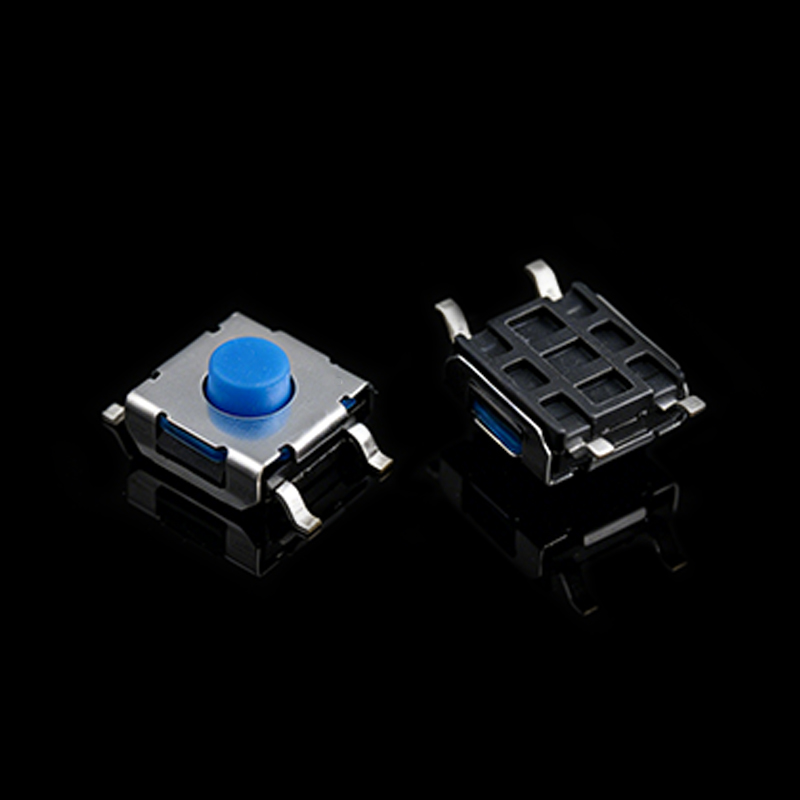
Button response is an important detail in electronic product development. Users expect buttons to respond smoothly, register commands accurately, and maintain a consistent feel after repeated use. A Silicone Tactile Switch helps manufacturers meet these requirements in products such as control panels, medical equipment, remote controls, and household electronics. However, choosing a suitable switch involves more than selecting its shape. Material properties, contact design, and installation conditions all influence the final performance.
Button Feel Affects Product Usability
A button that feels too hard or lacks clear feedback can make an electronic device uncomfortable to operate. For equipment with frequently used controls, this issue may affect everyday operation.
Silicone rubber provides flexibility for designing different button shapes and pressing characteristics. During product development, engineers should consider material hardness, button height, and structural support together. These factors help create a more consistent pressing experience across the keypad.
Preventing Uneven Button Response
One common problem in multi-button keypads is inconsistent response between individual buttons. Differences in wall thickness, button dimensions, or supporting structures may cause some keys to feel harder than others.
As a manufacturer, we pay attention to mold design and dimensional consistency during production. Reviewing the overall keypad structure before tooling also helps identify areas where uneven pressure may occur.
Selecting the Right Conductive Contact
The conductive contact is essential for transferring a pressing action into an electrical signal. Carbon contacts are commonly used in silicone rubber keypads, particularly in applications where the rubber component connects with PCB contact points.
When selecting a contact solution, buyers should consider:
- PCB contact pattern and dimensions.
- Required electrical conductivity.
- Contact positioning and alignment.
- Expected operating frequency.
Clear technical requirements help avoid compatibility issues during assembly.
Designing for Dust and Moisture Exposure
Different electronic products operate under different environmental conditions. Kitchen appliances may encounter moisture, while industrial control devices can be exposed to dust and workshop contaminants.
The Silicone Tactile Switch structure should therefore be evaluated alongside the product housing. A properly designed keypad can support the device's overall protection strategy, although the actual protection level depends on the complete enclosure and sealing design.
Custom Keypads for OEM Projects
For OEM buyers, standard keypad dimensions may not match an existing product housing. Customized solutions allow adjustments to button spacing, surface shapes, legends, colors, and conductive contact positions.
Providing 2D drawings, 3D models, or physical samples gives manufacturers a clearer understanding of the project. It also makes it easier to review tooling feasibility before mass production.
Quality Checks Before Shipment
Consistent production quality is important for electronic component buyers managing repeated orders. Inspection should cover both appearance and functional characteristics.
Our manufacturing checks can focus on:
- Silicone surface condition and molding quality.
- Button dimensions and structural consistency.
- Conductive contact placement.
- Pressing response and product compatibility.
These checks help reduce component-related problems during customer assembly.
Building a Stable Component Supply
Purchasing teams should evaluate supplier communication, customization capability, sample approval, and production inspection arrangements before placing bulk orders. These details are particularly important for products with customized keypad structures.
A suitable Silicone Tactile Switch should fit the device design, provide the required button response, and remain consistent throughout production. By discussing application requirements early, we work with customers to develop practical switch solutions for their electronic products.

©️ 2026 Wenzhou Hanjing Electronics Co., Ltd.

Waterproof Switch Manufacturer
