

 한국어
 中文简体
 日本語
 Español
 русский

About us
Our team is proud to offer on time guarantee and product guarantee to customer satisfaction.
Read MoreContact info
- No. 666, Jingtong Road, Danxi Second Industrial Zone, Danxi Town, Yueqing City, Zhejiang, China
- 1696258355@qq.com
- (+86) 15217722885
- 1540939529@qq.com
- (+86) 17857205859
- (+86) 755-83268071
Silicone Tactile Switch Design Considerations for Reliable Everyday Electronic Controls
As electronic products become more compact and users expect more consistent button feedback, switch design has become an important part of product development. A Silicone Tactile Switch offers a practical solution for electronic controls that require a comfortable touch, stable operation, and flexible design options. For manufacturers developing remote controls, household appliances, industrial panels, and portable electronic devices, selecting the right switch structure can help address common issues such as inconsistent feedback, difficult assembly, and premature wear.
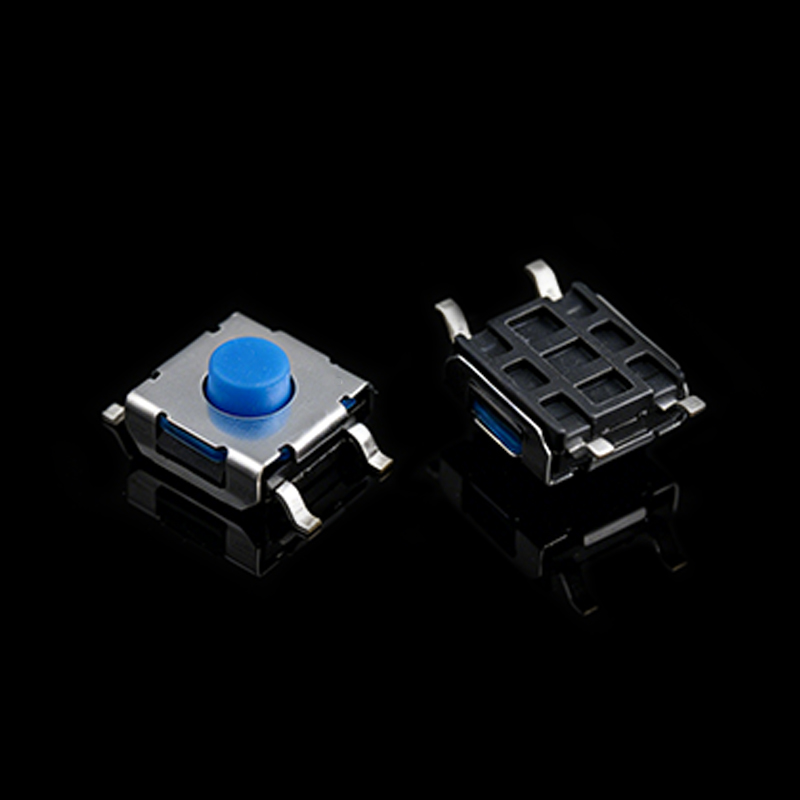
Consistent Tactile Feedback Starts with Material Selection
The feel of a button directly affects the user experience. If the silicone material is too soft, the button may feel vague. If it is too stiff, users may need to apply excessive force during operation.
When manufacturing silicone switches, we pay attention to material hardness, elasticity, and recovery performance. These properties influence how the button responds when pressed and how quickly it returns to its original position.
For product developers, discussing the expected operating force and button travel before production helps establish suitable material and structural requirements.
Contact Structure Influences Electrical Performance
A tactile switch must provide more than a comfortable pressing sensation. Its contact structure also determines how reliably an electrical signal is generated.
Common conductive solutions include:
- Carbon pills: Suitable for membrane-style contact designs and many electronic control applications.
- Conductive rubber contacts: Provide an integrated contact solution within the silicone structure.
- Metal contact components: Used in designs that require a different switching mechanism.
The selection depends on circuit requirements, contact layout, and the intended operating environment. During product development, we consider the relationship between the silicone keypad structure and the PCB to reduce contact alignment problems.
Button Layout Matters for Compact Electronics
As electronic housings become smaller, arranging multiple buttons within limited space can create manufacturing challenges. Buttons placed too close together may affect pressing accuracy, while an unsuitable supporting structure can cause uneven movement.
A customized Silicone Tactile Switch can be designed around the actual product housing, including button spacing, shape, height, and connection features. This allows engineers to consider both internal component placement and external operation.
For OEM projects, sharing housing drawings or PCB layouts during the early design stage makes it easier to evaluate structural compatibility before tooling begins.
Addressing Common Problems During Assembly
Switch performance can be affected by more than the silicone component itself. Incorrect positioning, dimensional variation, and unsuitable mounting structures may lead to assembly difficulties.
Our manufacturing process focuses on several practical inspection points:
- Checking button dimensions and structural consistency.
- Inspecting silicone surfaces for visible defects.
- Evaluating conductive contact positioning.
- Verifying compatibility with the intended assembly structure.
These checks help identify potential issues before finished components are delivered to customers.
Environmental Requirements Should Be Considered Early
Electronic switches are used in different environments, from indoor appliances to industrial control equipment. Temperature changes, dust exposure, moisture, and repeated operation can influence material selection and product structure.
Engineers should define the expected working conditions before confirming a switch design. For example, a control panel used in a workshop may require different protection considerations from a remote control used indoors.
We recommend evaluating the application environment alongside electrical and mechanical requirements rather than treating material selection as an isolated decision.
Customization Supports Different Product Applications
Standard switch designs may not match every electronic product. Buyers working on private-label devices or specialized equipment often need adjustments to dimensions, button configurations, contact positions, and silicone characteristics.
As a manufacturer, we can assess customization requirements based on product drawings, samples, and application details. This helps purchasing teams communicate technical expectations more clearly and reduces unnecessary changes during the development process.
Before confirming an order, buyers should also discuss tooling requirements, sample evaluation, production consistency, and packaging arrangements with their supplier.
Choosing a Manufacturer for Long-Term Supply
For distributors, electronic component buyers, and equipment manufacturers, supplier evaluation should cover more than the initial quotation. Material consistency, dimensional inspection, production capability, and communication during product development all influence long-term purchasing decisions.
A reliable Silicone Tactile Switch should match the intended operating requirements while remaining suitable for the customer's assembly process. By reviewing application details and manufacturing requirements together, we help customers develop switch components that support stable product operation and practical production needs.

©️ 2026 Wenzhou Hanjing Electronics Co., Ltd.

Waterproof Switch Manufacturer
