

 한국어
 中文简体
 日本語
 Español
 русский

About us
Our team is proud to offer on time guarantee and product guarantee to customer satisfaction.
Read MoreContact info
- No. 666, Jingtong Road, Danxi Second Industrial Zone, Danxi Town, Yueqing City, Zhejiang, China
- 1696258355@qq.com
- (+86) 15217722885
- 1540939529@qq.com
- (+86) 17857205859
- (+86) 755-83268071
Silicone Tactile Switch Design: Improving Button Response and Product Reliability
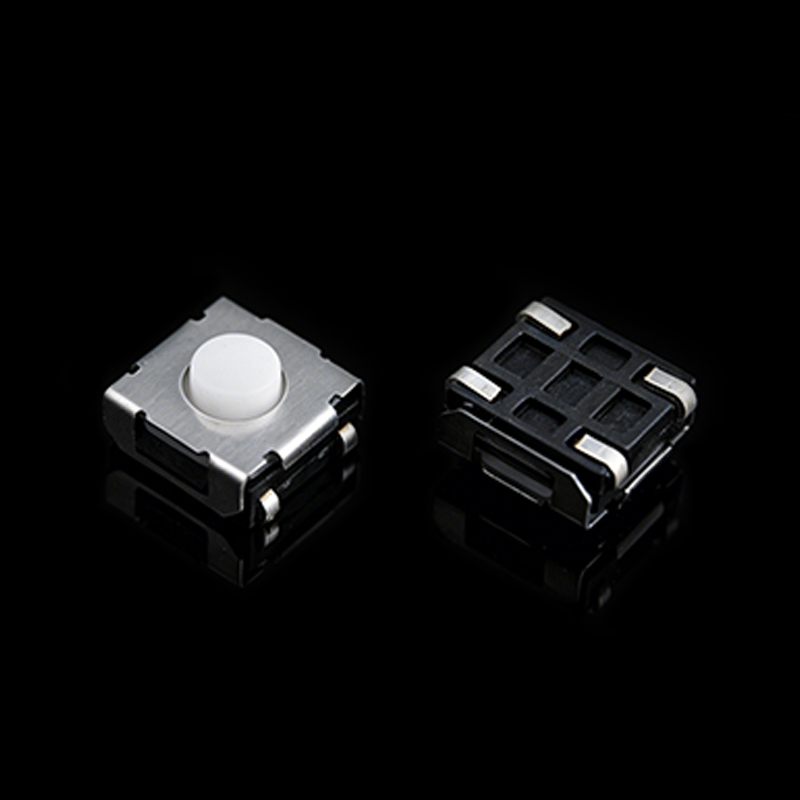
As electronic devices become more compact, manufacturers need buttons that offer comfortable operation without taking up unnecessary space. From household appliances to industrial control panels, button feedback and durability directly affect the user experience. A well-designed Silicone Tactile Switch provides responsive pressing, elastic recovery, and flexible design options. For engineers and purchasing teams, choosing the right switch means considering material properties, operating force, electrical contact, and the actual working environment.
Why Button Feedback Matters
A button that feels too soft or requires excessive pressure can make a device uncomfortable to use. Silicone tactile buttons provide physical feedback when pressed, helping users recognize that an input has been registered.
Their elastic structure allows the buttons to return to their original position after release. This makes them suitable for remote controls, electronic instruments, household appliances, and industrial control systems where frequent operation is expected.
Selecting Suitable Silicone Materials
Silicone rubber offers flexibility and good elastic recovery, but material selection still requires attention to application requirements.
Important considerations include:
- Hardness: Affects pressing resistance and button feel.
- Elasticity: Influences rebound performance after pressing.
- Temperature resistance: Helps determine suitability for different environments.
- Surface treatment: Affects appearance, touch, and wear resistance.
As a manufacturer, we consider these factors when developing customized silicone keypad solutions.
Balancing Pressing Force and Response
Inconsistent pressing force is a common issue in keypad design. Buttons that are too hard may cause operating discomfort, while buttons that are too sensitive can result in accidental activation.
The dome structure, silicone thickness, and button geometry all influence tactile response. Engineers should evaluate pressing force and rebound characteristics during prototype testing to ensure a consistent operating experience across the entire keypad.
Avoiding Electrical Contact Problems
Some silicone keypads use conductive carbon pills to connect electrical contacts on a PCB when a button is pressed. Poor alignment or unsuitable contact materials may cause unstable signal transmission.
To reduce these risks, manufacturers should check contact positioning, conductive surface quality, and compatibility with the circuit board. Testing the complete keypad assembly can help identify potential problems before mass production.
Improving Protection in Daily Applications
Dust and moisture can affect electronic components, particularly in outdoor equipment and industrial environments. Silicone keypads can incorporate sealing structures to help protect internal circuits.
However, the keypad must fit properly with the device housing. Engineers should evaluate sealing performance and button flexibility together to avoid making operation unnecessarily difficult.
Customization for Different Applications
Different electronic products require different button layouts, shapes, and operating characteristics. Our manufacturing team can develop customized silicone keypads based on customer drawings, samples, and project requirements.
Customization options may include:
- Button dimensions, spacing, and layout.
- Silicone hardness and tactile response.
- Laser-etched symbols and screen printing.
- Conductive carbon contacts and surface finishes.
Early communication about product structure and PCB requirements helps reduce design adjustments during production.
Quality Checks Before Bulk Production
Small manufacturing differences can affect button performance. We pay attention to material consistency, dimensional accuracy, rebound behavior, contact alignment, and surface appearance during production inspections.
Sample evaluation and repeated pressing tests also help identify potential issues before bulk orders. Buyers should confirm functional requirements and inspection standards during the development stage.
Developing Practical Silicone Switch Solutions
A suitable switch should match the device structure, operating environment, and user expectations. By considering material selection, tactile response, electrical contact, and assembly requirements together, manufacturers can help customers avoid common design problems. We provide customized Silicone Tactile Switch solutions for electronic devices, industrial controls, and other applications, supporting product development from initial samples to bulk production.

©️ 2026 Wenzhou Hanjing Electronics Co., Ltd.

Waterproof Switch Manufacturer
