

 한국어
 中文简体
 日本語
 Español
 русский

About us
Our team is proud to offer on time guarantee and product guarantee to customer satisfaction.
Read MoreContact info
- No. 666, Jingtong Road, Danxi Second Industrial Zone, Danxi Town, Yueqing City, Zhejiang, China
- 1696258355@qq.com
- (+86) 15217722885
- 1540939529@qq.com
- (+86) 17857205859
- (+86) 755-83268071
Designing Silicone Membrane Switches for Reliable Everyday Equipment Operation
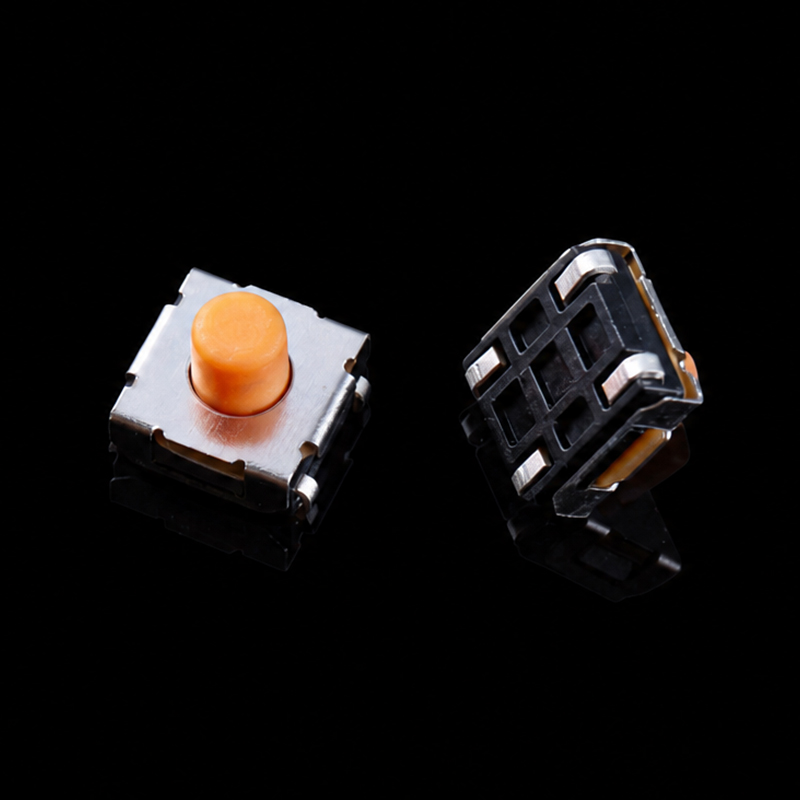
Silicone Membrane Switch solutions are widely used in equipment where operators need comfortable, responsive, and reliable controls. From household appliances and medical devices to industrial instruments, the quality of a keypad affects the daily user experience. For manufacturers developing new products, the challenge is not simply creating a functional button panel. It is choosing materials, surface designs, and sealing structures that can handle frequent operation while remaining easy to clean and maintain.
Material Selection Makes a Difference
Silicone rubber is valued for its flexibility, tactile feel, and ability to support different button shapes. However, not every silicone material performs the same way in every application. Temperature exposure, cleaning chemicals, operating frequency, and expected service conditions should all influence material selection.
As a manufacturer, we recommend evaluating the actual working environment before finalizing a design. Equipment installed in workshops may require different surface properties from controls used in kitchens or healthcare settings. Matching the silicone formulation to the application helps reduce premature wear and unexpected maintenance.
Tactile Feedback Improves Daily Operation
A button should feel consistent when an operator presses it. If the feedback is too soft, too stiff, or difficult to distinguish, users may need to press repeatedly or apply unnecessary force. This can slow down routine tasks and affect the overall experience.
When developing a custom silicone keypad, we consider button height, shape, spacing, and the force required for actuation. Clear tactile feedback is particularly useful for control panels operated while users are wearing gloves or working in environments where visual attention is limited.
Sealing Helps Protect Sensitive Electronics
Dust, moisture, and cleaning fluids can create problems for electronic control panels. A properly designed silicone membrane switch can help protect the interface, but the level of protection depends on the complete assembly rather than the silicone surface alone.
Important design considerations include:
- The sealing structure around the switch panel and housing.
- The connection between the keypad and the underlying circuit.
- Exposure to water, dust, oils, and cleaning agents.
- Cable exits, connectors, and other potential entry points.
We assess these details during product development so that the finished switch is suited to its intended installation and operating conditions.
Printing and Surface Design Support Product Usability
Button labels, icons, colors, and backlighting help users identify functions without confusion. For equipment sold across different markets, a clear interface can also simplify localization and product customization.
Screen printing, embossed symbols, and laser-etched designs may suit different requirements. Buyers should consider how frequently the panel will be cleaned, whether labels need to remain visible under low light, and how the graphics will withstand repeated contact. These decisions are easier to manage when appearance and durability are considered together during the design stage.
Electrical Compatibility Should Be Checked Early
A keypad may look suitable but still require changes to work with the intended electronic system. Circuit layout, contact configuration, connector type, and controller compatibility should be reviewed before mass production.
For OEM projects, we

©️ 2026 Wenzhou Hanjing Electronics Co., Ltd.

Waterproof Switch Manufacturer
