

 한국어
 中文简体
 日本語
 Español
 русский

About us
Our team is proud to offer on time guarantee and product guarantee to customer satisfaction.
Read MoreContact info
- No. 666, Jingtong Road, Danxi Second Industrial Zone, Danxi Town, Yueqing City, Zhejiang, China
- 1696258355@qq.com
- (+86) 15217722885
- 1540939529@qq.com
- (+86) 17857205859
- (+86) 755-83268071
Silicone Membrane Switch: Tactile Feedback and Keypad Performance
Operating force is an important characteristic when evaluating a Silicone Membrane Switch. It describes the force required to press a button until the switching action occurs. The selected force affects how the interface feels during normal operation and should correspond with the intended application.
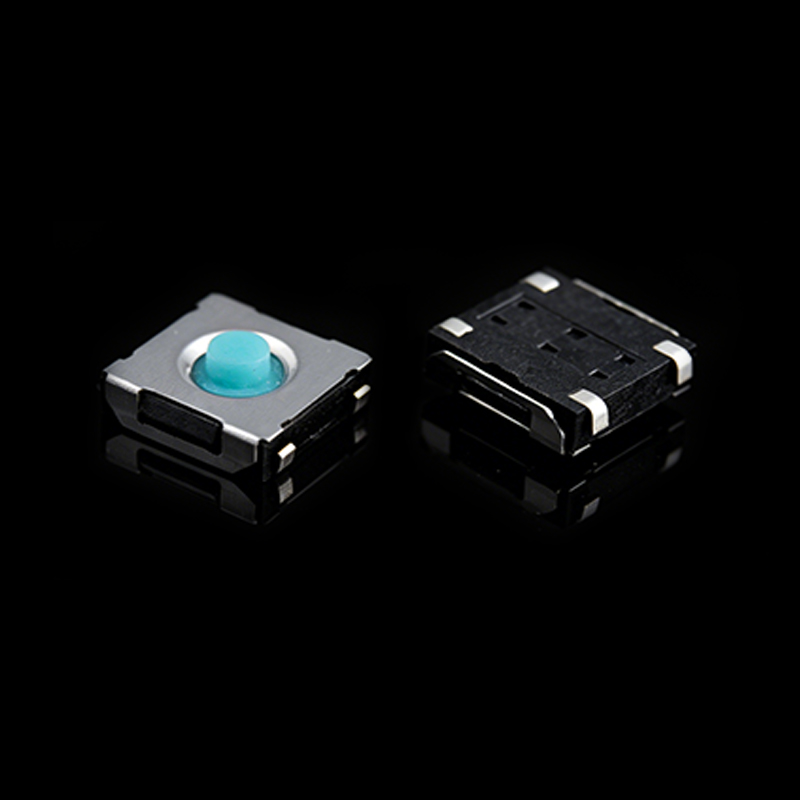
A light pressing force can make a button easy to operate with gentle finger pressure. A firmer force can create a more deliberate interaction and may be suitable for equipment where accidental activation needs to be avoided.
Silicone material hardness has a direct relationship with the mechanical response of the keypad. The shape of the button, thickness of the silicone, web structure around the button, and internal support can also affect the pressing experience.
The external button cap or housing should be considered at the same time. A large button can distribute pressure differently from a compact button. The contact position between the external button and silicone actuator can also influence the force applied to the switch.
Different users and applications can have different requirements. A handheld control device may require an easy and comfortable pressing action, while an industrial control panel may require a firmer response.
Operating force should therefore be selected based on the complete interface rather than the switch component alone. Prototype testing can help engineers compare different force options and determine whether the button response matches the intended product design.
Travel and Tactile Feedback
Travel describes the movement of the button during pressing. It works together with operating force and internal switch construction to create the tactile response that users feel.
A Silicone Membrane Switch can be designed to provide a noticeable response when the electrical contact is activated. The movement of the silicone button and the return action after release contribute to the overall interaction.
The internal web structure is particularly relevant to silicone keypad design. It connects the button to the surrounding keypad body and allows the button to move under pressure. The geometry of this area can influence force, travel, and return behavior.
Conductive carbon pills and metal domes provide different contact structures. A carbon pill can provide a smooth switching action, while a metal dome can create a more distinct snap response. The choice depends on the desired user interaction and circuit structure.
Button travel also needs to match the external housing. If the enclosure restricts the movement of the button, the switch may not operate as intended. Engineers should therefore provide sufficient clearance around the actuator.
Tactile feedback is particularly relevant for interfaces where users need to recognize a button action without looking directly at the control panel. Clear physical feedback can support operation of industrial equipment, electronic instruments, medical devices, and other control systems.
Performance During Repeated Use
Repeated operation places mechanical demands on the silicone button, internal web structure, conductive element, membrane circuit, and surrounding housing. These components should be considered together when evaluating keypad durability.
The button should return properly after each press so that the next operation can be performed without interference. Consistent contact behavior is also important for reliable signal input.
Surface wear can be relevant when a keypad is used frequently. Printed symbols, protective coatings, and surface finishes should correspond with the expected handling conditions.
The internal conductive element also needs to maintain suitable contact with the circuit. Dust, moisture, contamination, or mechanical deformation can affect contact behavior, so the construction should correspond with the working environment.
Testing should cover both mechanical and electrical functions. Engineers can repeatedly operate sample buttons while checking force, travel, return action, contact response, and surface condition.
Environmental testing may also be considered when the keypad is intended for outdoor or industrial equipment. Temperature changes, moisture, cleaning processes, and exposure to other environmental factors can influence material behavior.
A complete keypad assembly should be tested rather than evaluating the silicone component separately. The interaction between the keypad, membrane circuit, PCB, housing, and external button can influence the final performance.
For product developers, establishing clear requirements for operating force, travel, tactile response, contact structure, and durability can make communication with a supplier more precise. These specifications can then be verified through samples and prototype assemblies before a production order is arranged.

©️ 2026 Wenzhou Hanjing Electronics Co., Ltd.

Waterproof Switch Manufacturer
