

 한국어
한국어 中文简体
中文简体 日本語
日本語 Español
 русский
About us
Our team is proud to offer on time guarantee and product guarantee to customer satisfaction.
Read MoreContact info
- No. 666, Jingtong Road, Danxi Second Industrial Zone, Danxi Town, Yueqing City, Zhejiang, China
- 1696258355@qq.com
- (+86) 15217722885
- 1540939529@qq.com
- (+86) 17857205859
- (+86) 755-83268071
Silicone Membrane Switch: Structure, Materials, and Design Options
A Silicone Membrane Switch combines a silicone rubber keypad with an electrical switching circuit to create a flexible control interface. This structure allows users to operate electronic equipment by pressing designated buttons on the silicone surface. Compared with a flat control panel, a silicone keypad can provide a raised button structure and a distinct physical response during operation.
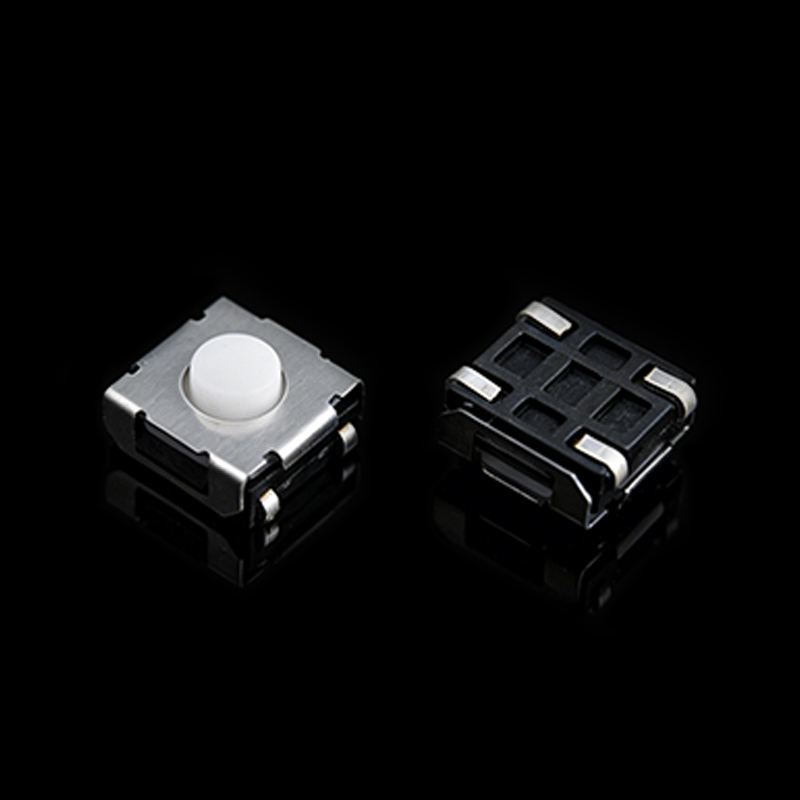
The silicone rubber keypad forms the external operating surface. Each button can be designed with a specific shape, height, size, and position according to the equipment layout. The flexible nature of silicone allows the keypad to return toward its original position after the button is released.
Under the silicone keypad, a membrane circuit provides the electrical switching function. When a button is pressed, a conductive element can come into contact with the corresponding circuit area and complete the intended electrical path. This arrangement allows the mechanical button structure and electrical circuit to work together.
Conductive carbon pills are commonly used in some silicone keypad designs. They are positioned beneath the buttons and make contact with conductive areas on the circuit when the button is pressed. Another option is a metal dome structure, which can provide a more distinct tactile response.
The complete construction may also include adhesive layers, flexible circuits, supporting layers, connectors, and other components. The exact structure depends on the equipment requirements and the desired operating characteristics.
Understanding the internal structure is useful during product development because the keypad, circuit, housing, and external button interface all need to work together. A change to the button height or internal contact structure can affect both the mechanical response and electrical operation.
Material Selection for Different Requirements
Silicone rubber is commonly selected for the keypad surface because it provides flexibility and elastic recovery. Material hardness can be adjusted according to the desired pressing feel and mechanical characteristics.
Silicone hardness affects how a button responds when pressed. A softer material can provide a flexible touch, while a firmer material can create a different pressing response. Engineers can select the material according to the intended user interaction and product structure.
The conductive material also affects electrical contact performance. Conductive carbon pills can be used for direct contact with the circuit, while metal dome structures can provide a different tactile response and switching method.
Surface treatment is another design consideration. The keypad can be produced with different textures or finishes according to the appearance and handling requirements of the equipment. A textured surface may also help users identify individual buttons by touch.
Material selection should consider the working environment as well. Equipment used indoors may have different requirements from products exposed to moisture, dust, cleaning agents, sunlight, or temperature changes.
For specialized equipment, buyers may also need to discuss silicone material grades and environmental compatibility with the supplier. The material should correspond with the operating conditions of the complete device.
Design and Customization Options
A Silicone Membrane Switch can be customized around the physical and functional requirements of the equipment. Button layout is one of the main design elements. Buttons can be arranged according to the control functions and available panel space.
Button shape and size can also be adjusted. Round, square, rectangular, elongated, and other shapes can be incorporated into a keypad layout. Different button heights can be used within the same interface when specific controls need to be visually or physically distinguished.
Printed graphics, symbols, letters, and icons can be applied to the surface to identify button functions. Colors can also be selected to separate different control groups or match the visual design of the equipment.
Surface texture can provide another layer of customization. Smooth, matte, textured, or other finishes can be considered according to the intended appearance and handling requirements.
The actuator structure and internal contact method can also be adapted. Engineers may select different combinations of silicone geometry, conductive elements, and membrane circuit structures to achieve a suitable tactile response.
Connector configuration should correspond with the equipment electronics. The membrane circuit needs to connect properly with the PCB or other control electronics.
During development, the silicone keypad should be evaluated together with the equipment housing. Button height, panel thickness, circuit position, mounting method, and external clearance all influence the final assembly. A physical prototype can help engineers check these relationships before production.

©️ 2026 Wenzhou Hanjing Electronics Co., Ltd.

Waterproof Switch Manufacturer
