

 한국어
 中文简体
 日本語
 Español
 русский

About us
Our team is proud to offer on time guarantee and product guarantee to customer satisfaction.
Read MoreContact info
- No. 666, Jingtong Road, Danxi Second Industrial Zone, Danxi Town, Yueqing City, Zhejiang, China
- 1696258355@qq.com
- (+86) 15217722885
- 1540939529@qq.com
- (+86) 17857205859
- (+86) 755-83268071
Silicone Tactile Switch Design for Compact Electronic Control Systems
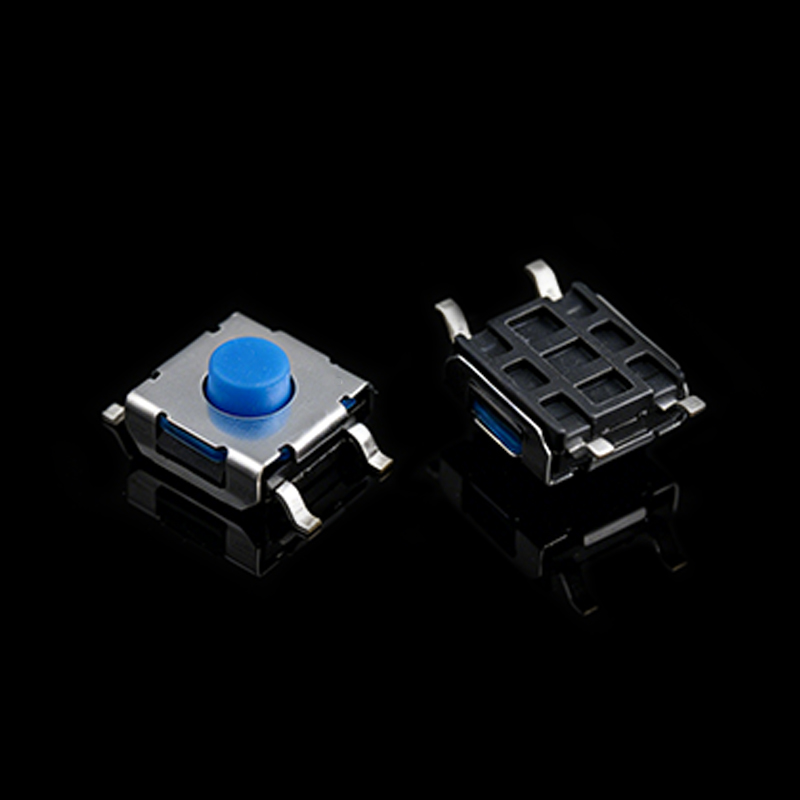
As electronic devices become smaller, manufacturers face increasing pressure to fit more control functions into limited space. Button placement, pressing accuracy, and internal component compatibility all require careful consideration during product development. A Silicone Tactile Switch provides design flexibility for compact control systems, including handheld equipment, smart home devices, remote controls, and industrial interfaces. For buyers sourcing customized components, understanding the relationship between keypad structure and device assembly can help prevent unnecessary design changes.
Making Better Use of Limited Panel Space
Compact electronic products often require multiple buttons within a small operating area. Poor spacing can make buttons difficult to identify and press, especially when several functions are arranged together.
Silicone keypads can be customized with different button shapes, heights, and spacing arrangements. During the design stage, we recommend checking the available panel area against the internal PCB layout to ensure that each button has sufficient operating space.
Choosing Between Different Button Structures
Not every application requires the same keypad structure. Some products need individual buttons, while others benefit from an integrated silicone keypad.
An integrated design can simplify component arrangement and provide a unified appearance. Individual button structures may offer more flexibility when the product requires separate mounting positions.
The choice depends on housing design, operating requirements, and assembly methods. Reviewing these details before mold development helps avoid structural conflicts.
Maintaining Reliable Contact with the PCB
A keypad must work correctly with the electronic circuit beneath it. If the conductive contact does not align with the PCB pads, the button may fail to register a command consistently.
Carbon conductive contacts are widely used in silicone keypad applications. Their dimensions and positions should match the PCB design. We recommend confirming contact layout, spacing, and pressing travel during sample evaluation rather than waiting until the production stage.
Surface Design Also Has a Practical Purpose
The appearance of a keypad influences product identification and daily operation. Different surface treatments and printed symbols can help users distinguish functions without adding complicated external components.
For OEM projects, customization may include:
- Button colors and surface finishes.
- Printed icons, letters, and functional markings.
- Different button shapes and heights.
- Customized keypad dimensions.
These details allow the keypad to fit the visual design of the finished electronic device.
Avoiding Problems During Mold Development
Mold development is an important stage in customized silicone production. Poorly considered structures may result in uneven button movement, difficult demolding, or inconsistent dimensions.
Our approach is to review product drawings and application requirements before confirming the tooling structure. Particular attention is given to button walls, connecting areas, and the overall geometry of the keypad.
Early technical communication helps customers identify design concerns before they affect production arrangements.
Testing Samples Before Bulk Orders
A sample provides an opportunity to evaluate whether the switch matches the actual product requirements. Buyers should not focus only on appearance. Functional evaluation is equally important.
During sample approval, consider:
- Whether each button responds correctly.
- Whether pressing force feels consistent.
- Whether conductive contacts align with the PCB.
- Whether the keypad fits the product housing.
Feedback from this stage can guide adjustments before larger production orders are confirmed.
Working with a Manufacturer on Customized Switches
For electronic equipment manufacturers and component distributors, a suitable supplier should understand both silicone molding and the practical requirements of electronic assembly.
A customized Silicone Tactile Switch needs to match the product structure, contact design, and intended operating conditions. By reviewing drawings, samples, and technical requirements together, we help customers develop keypad components that fit their products and support consistent manufacturing.

©️ 2026 Wenzhou Hanjing Electronics Co., Ltd.

Waterproof Switch Manufacturer
